Preparing your trees before harsh weather arrives is one of the most effective ways to protect your property and maintain a thriving landscape. Strong winds, heavy rainfall, intense heat, and unexpected cold snaps can cause serious stress to trees if they are not ready for these conditions. People can lower the risk of damage and help their plants grow better all year long with the right care and a well-thought-out plan.
Understanding the Condition of Your Trees
Before any preparation begins, it is important to understand the current state of your trees. Look for weak branches, overcrowded growth, or signs of disease. These issues can become worse during storms because damaged trees are more vulnerable to breakage. Many homeowners consult professionals like McCullough Tree Service when they need a clear assessment of their landscape. Expert guidance helps you identify risks early and decide which trees require attention first.
Strengthening Trees Through Proper Pruning
Pruning is one of the smartest ways to prepare trees for challenging weather conditions. When branches are trimmed correctly, trees become more balanced and less likely to crack or fall during strong winds. Removing dead limbs also prevents them from becoming flying debris. A professional team that offers tree service Orlando can shape the canopy safely and enhance air circulation. Better airflow keeps trees stable and reduces their chances of being uprooted when severe weather strikes.
Supporting Healthy Root Systems
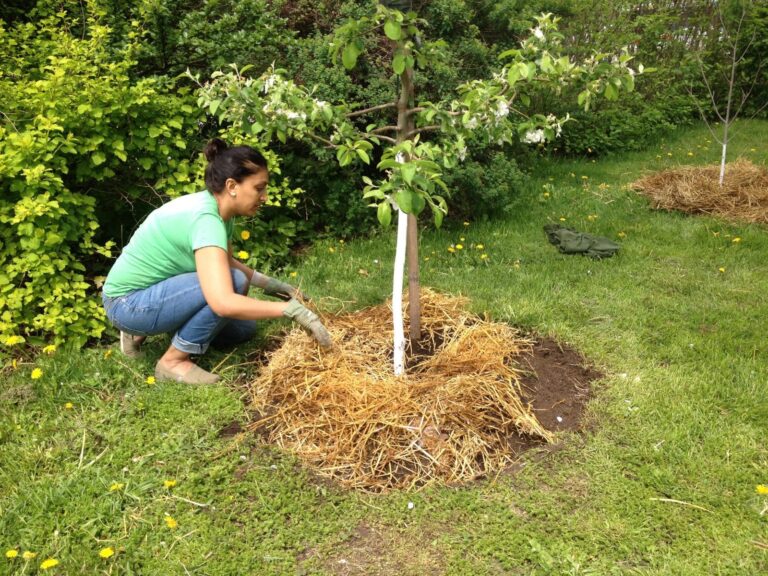
Strong roots are essential for surviving tough conditions. Trees with weak or shallow roots are more likely to fall after heavy rainfall or during windstorms. To strengthen the root system, consider adding compost around the base to improve soil quality. Water deeply during dry periods to encourage roots to grow downward. Do not pile mulch right up against the trunk, as this can trap water and cause the tree to rot. When necessary, a reliable tree service Orlando provider can offer guidance on improving soil support and long-term root health.
Weatherproofing Through Preventive Care
Healthy trees are naturally more resilient. Regular fertilization, soil testing, and inspection help trees maintain the strength they need to withstand harsh weather. Preventive care also reduces stress during temperature swings. Trees that receive proper nutrients can recover faster after storms. Creating a maintenance schedule ensures your trees remain prepared throughout the year and reduces the risk of sudden damage.
Preparing Young Trees for Seasonal Challenges
Young trees need extra attention because they are still developing strong trunks and root systems. Staking can help them stand firm during high winds, but it must be done carefully to avoid restricting growth. Watering young trees consistently helps them build deeper roots, making them more stable in rough conditions. Adding protective wraps can shield thin bark from sun scald or unexpected frost. These small steps greatly increase the survival rate of developing trees.
Managing Soil and Moisture Before Storms
Soil that drains poorly can cause roots to suffocate after heavy rain. Improving drainage reduces the chance of standing water that may weaken or rot tree roots. Aerating compacted soil allows water to move more freely, which strengthens overall tree stability. You can also reshape the ground slightly to guide water away from the tree base. These adjustments make a significant difference when preparing for seasons with consistent rain.
Final Thoughts
Trees are long-term investments that bring beauty, shade, and value to your property, so keeping them safe during harsh weather is essential. With proper pruning, healthy soil, balanced growth, and regular inspections, your trees will remain stronger and more resilient as conditions change. When you need expert help or a detailed evaluation, professionals like McCullough Tree Service can guide you through the best strategies for seasonal protection. With consistent care, your landscape will stay healthy, secure, and ready to withstand whatever weather comes next.